
It's Not Your Parents' Casino Anymore: How Has Traditional Gambling Found Its Way to Our Kids?
Part 1 of our 4-part series: Ways Young People Gamble Today
When we think of gambling, most of us picture casinos. Age restrictions, security at the door, maybe a trip to Vegas. Places our kids can’t just wander into.
But that’s not where gambling lives anymore.
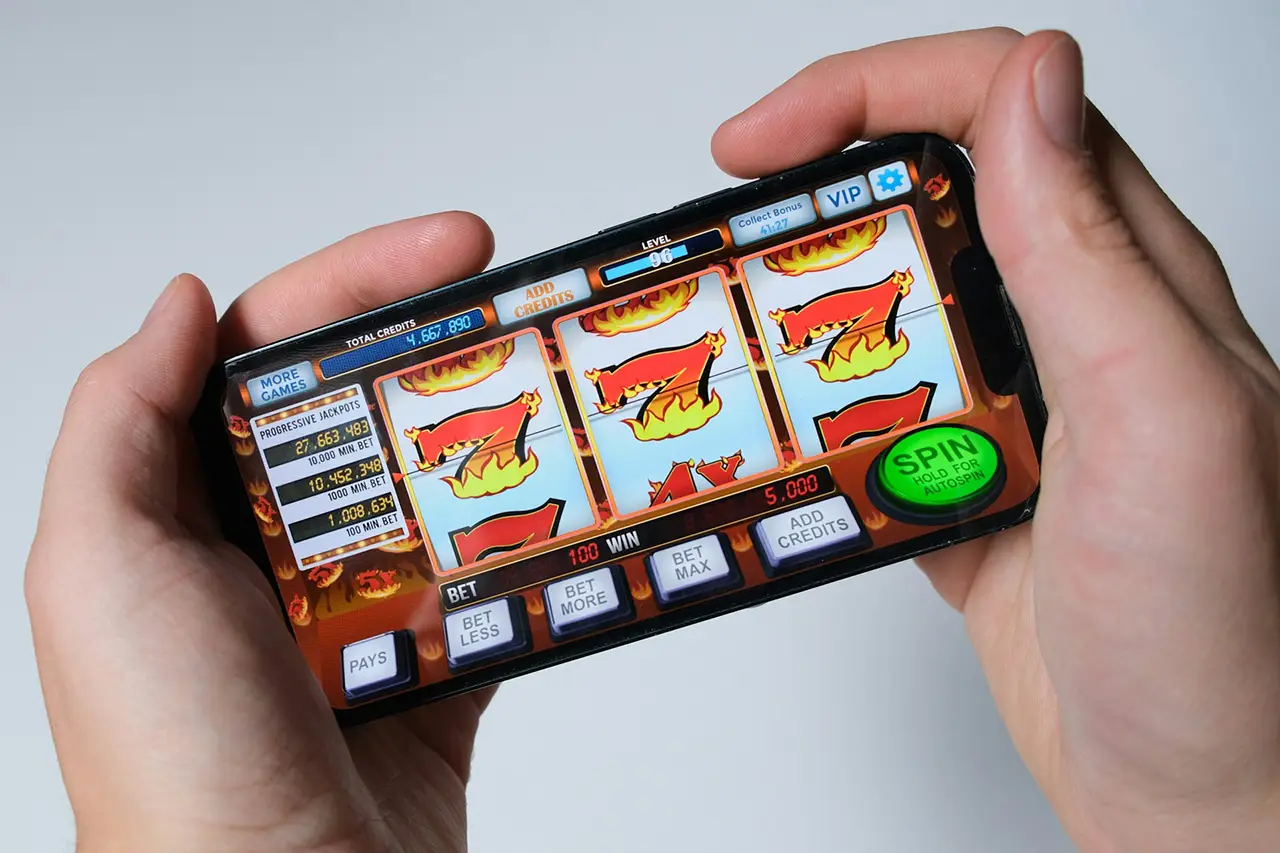
The same games — slots, poker, blackjack — are on phones and tablets now, dressed up as regular apps. No one is checking IDs at the door. Sometimes there is no age verification beyond clicking “I’m 18.” And many kids don’t even realize what they’re doing is gambling.
Scratch-Offs in Birthday Cards
This one’s tricky because it comes from a good place.
Grandma slips a scratch-off ticket into a birthday card. An uncle thinks lottery tickets make a fun stocking stuffer. It’s a few dollars, a little excitement. Harmless.
Except this is often a kid’s very first introduction to gambling. And it comes wrapped in love from someone they trust. The unintentional message: gambling is normal, it’s safe, it’s just for fun.
Nobody’s trying to cause problems. But it might be worth a conversation with family about other ways to add a surprise to gifts.
Social Casinos and Sweepstakes Sites
This is where parents really need to pay attention.
These sites and apps look like games. They’re all over social media, easy to download, bright and flashy. Your kid plays with “virtual coins,” so it seems like there’s no real money involved.
Not exactly. Players can buy more coins when they run out. And a lot of these platforms give out something called “sweeps coins,” which can actually be cashed out for real money. So what looks like a free game is gambling. It just doesn’t announce itself that way.
Sites like Stake.us, McLuck, Wow Vegas, Big Fish, and High 5 Casino are among the most popular — some of which are promoted by celebrities and influencers on social media. Their flashy design, weak age checks, and legal gray zones make them especially risky for young people — creating false confidence and paving the way for real-money gambling. And young brains are particularly susceptible. The reward cycles built into these games can actually rewire how a developing brain responds to risk and reward.
Slot Machines at the Gas Station
Video Gaming Terminals (VGTs) and Video Lottery Terminals (VLTs) are basically slot machines, but they’re not in casinos. They’re at truck stops, restaurants, bars, and convenience stores in many parts of the US.
Your young adult stops for gas or grabs food, and right there — just part of the scenery — is a slot machine. Quick play, instant rewards, easy access. It makes gambling feel like just another thing you do, not something you have to seek out.
That normalization is the problem.
Online Gambling and VPNs
Online gambling is legal and regulated in some states. But there are also illegal offshore sites with barely any safeguards — and kids can use VPNs (virtual private networks, which mask their location and let them appear to be browsing from somewhere else) to access sites that are supposed to be blocked in their area.
If you see a VPN on your child’s phone — apps like NordVPN, ExpressVPN, or Surfshark — it’s worth asking about. There are legitimate reasons to have one, such as protecting privacy on public Wi-Fi, but better to ask.
What Can You Do?
- Start talking about what gambling actually is — anytime you risk money or something else of value on something with an uncertain outcome, hoping to win more. A lot of young people genuinely don’t connect scratch-offs, bingo, or casino apps to ‘real’ gambling. Even placing bets with friends for “bragging rights” is gambling, though no goods or money have changed hands.
- Check their phones for casino-style games, even the free ones. Virtual coins still teach habits.
- Talk to extended family. It can feel awkward, but a quick conversation about skipping the lottery ticket matters more than you’d think.
- Bring up those gas station slot machines with your young adult. They’re designed to be hard to walk away from.
- Ask about VPNs if you see one being used. And if you notice money going out to any of these apps, it is worth a conversation.
- Start talking about what gambling actually is — anytime you risk money or something else of value on something with an uncertain outcome, hoping to win more. A lot of young people genuinely don’t connect scratch-offs, bingo, or casino apps to ‘real’ gambling. Even placing bets with friends for “bragging rights” is gambling, though no goods or money have changed hands.
Related Resources:
Parents Standing Together provides peer support only – not therapy, medical care, counseling, or legal advice. No professional services or treatment are offered. For any medical, legal, financial, or mental health concerns, please consult a qualified professional. If you or your child is in crisis, call 988 and seek professional help immediately.