
Part 4 of our 4-part series: Ways Young People Gamble Today
Here’s a conversation a lot of parents have had some version of:
“My kid isn’t gambling. They’re investing. They’re learning about money. This is a good thing.”
And sometimes it is. Learning about the stock market, understanding how money grows over time — those are fundamental skills for a secure future.
But there’s a version of “investing” that looks a lot more like gambling. And for young people especially, the line can disappear fast.
Stocks and Day Trading
Trading apps have made buying and selling stocks incredibly easy. A few taps and you’ve made a trade. The interfaces are bright, engaging, and game-like. Some apps even use confetti when you complete a transaction.
For teens and young adults, this can feel less like finance and more like play. And when the goal becomes making quick money through constant trading — buying and selling within hours or days — it starts functioning exactly like gambling.
Day trading involves fast decisions, the thrill of quick wins, the devastation of quick losses, and the constant temptation to chase what you just lost. Sound familiar?
The research is clear: most day traders lose money. But these apps are designed to make it feel exciting and accessible. And young people often don’t fully understand the risks they’re taking.
Some kids buy into a “trading combine” – a simulated evaluation program that tests a trader’s ability to follow a set of rules and risk management parameters in trading. If the company deems them “successful”, they can get a professional trading account. This rapid action can easily blur the lines with gambling for young people wanting to “get rich quick”.
When your kid says they’re “investing,” it’s worth asking what that actually looks like. Are they buying and holding for the long term? Or are they constantly checking prices and making impulsive trades based on what they see on TikTok?
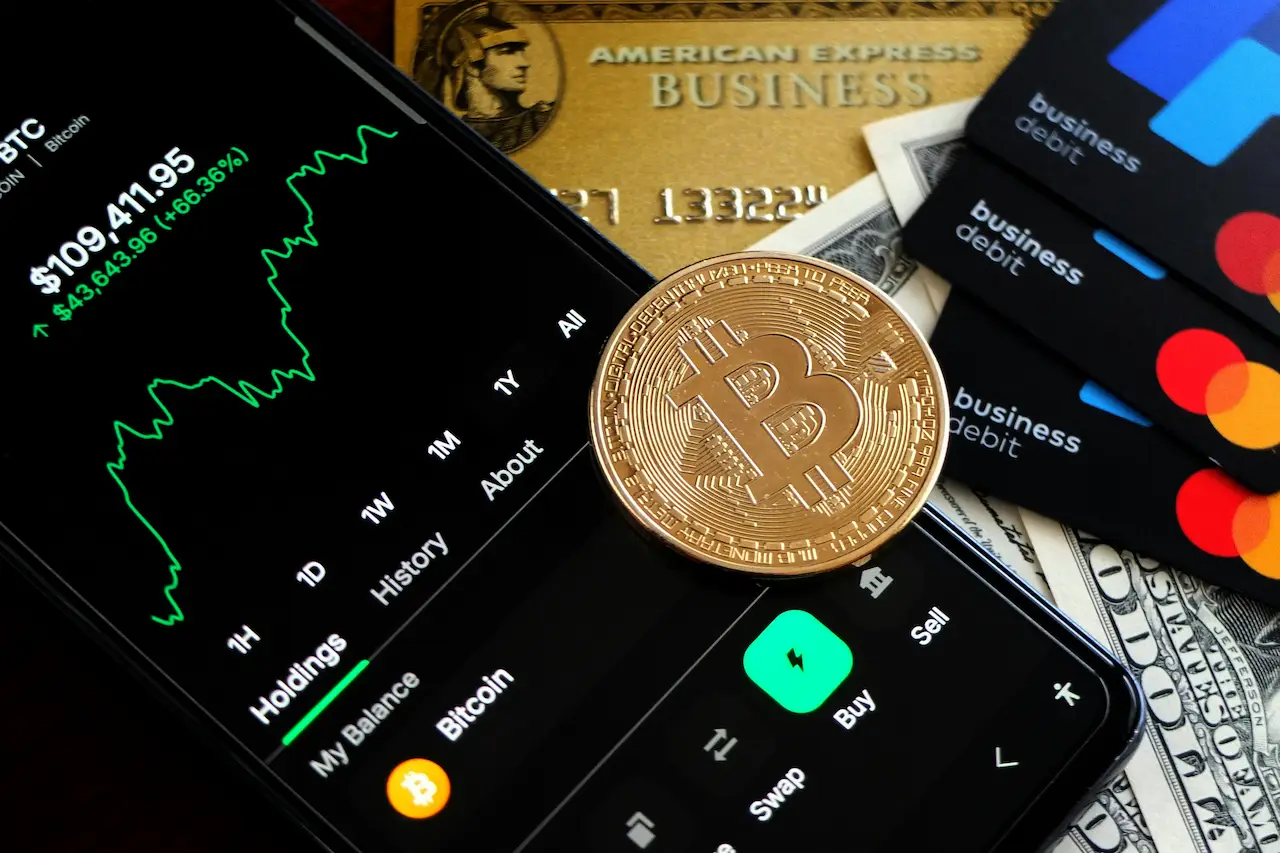
Cryptocurrency and Meme Coins
Crypto has become hugely popular with young people. And some of it is legitimate investing.
But a lot of what young people are doing in crypto is pure speculation — often on the riskiest assets out there.
Meme coins are cryptocurrencies mainly created as jokes or to ride viral trends. They have no real underlying value. Prices swing wildly based on hype, social media buzz, and celebrity tweets. People buy them hoping to get in early and sell before the crash.
That’s not investing. That’s gambling.
And the experience is intense:
Constant checking — crypto markets run 24/7, so there’s always a price to look at, always a reason to react.
Wild swings — double your money one day, lose half the next. The emotional highs and lows are extreme.
Social pressure — online communities hype coins relentlessly. The fear of missing out gets weaponized.
Chasing losses — lost money on one coin? There’s always another one promising a comeback.
For young people who may not fully understand what they’re risking — sometimes money they can’t afford to lose — the consequences can be severe and lasting.
Prediction Markets
This one might be new to you.
Prediction markets are platforms where people bet real money on the outcomes of future events. Will a candidate win an election? Will a company hit its earnings? Will a celebrity couple break up? Sites like Kalshi and Polymarket have made this easy and accessible. They were already growing fast, but the 2024 presidential election was a turning point. Suddenly, everyone knew what a prediction market was. And now that they are offering sports betting? The numbers are staggering. We’re talking about a market that barely registered a few years ago, now moving billions of dollars a month.
They’re marketed as “forecasting tools” — wisdom of the crowd, data-driven insights. But the mechanics are pure gambling: risk money on something uncertain, hope to win more.
For young people, these markets are especially appealing because they blend betting with things they already follow — news, politics, pop culture, sports. It feels smart and engaged rather than risky.
But the rush of being “right” and winning money creates the same patterns as any other form of gambling. And the losses are just as real. There’s one more thing worth knowing: these platforms aren’t regulated as gambling. They operate under financial law, not gambling law. That gap has real consequences. None of the player protections that legal sportsbooks are required to offer apply here. A kid who has recognized they have a problem and removed themselves from every regulated betting site can still sign up for Kalshi. No one will stop them. And unlike casinos or sports betting — where the legal age is often 21 and access depends on where you live — prediction markets are open to anyone 18 and older, in all 50 states.
What Can You Do?
Ask specific questions about “investing.” Don’t accept vague answers. How often are they trading? What are they trading? What’s their strategy? Look at their books. Are they trying to get rich quick, or build something over time?
Know the apps they use. Robinhood, Coinbase, Webull — these aren’t bad in themselves, but they can enable gambling-like behavior. Find out which ones they’re using and why.
Talk about the difference between investing and speculating. Investing is buying something you believe will grow over time. Speculating is betting on price movements you can’t predict. Help them understand which one they’re actually doing.
Watch for obsessive checking. If your kid is looking at crypto prices first thing in the morning and last thing at night — or waking up to check them — that’s a warning sign.
Be skeptical of “everyone’s doing it.” Online communities around crypto and day trading create intense pressure. Just because their friends are doing it doesn’t make it smart.
Look for emotional swings. Significant mood changes tied to market movements — euphoria when things go up, despair when they crash — suggest they’re too invested, emotionally and maybe financially.
Ask about prediction markets. Many parents haven’t heard of them. Ask if your kid has ever bet on elections, news events, or other outcomes. This is gambling, even if it doesn’t look like it, and protections you might assume exist aren’t there.
This is the final post in our 4-part series: Ways Young People Gamble Today.
Missed the earlier posts? Find them below in Related Resources.
Does your child partake in the activities in this series? Are you wondering if it is becoming a problem? Check out our blog below about signs of a gambling problem…
Next up: Warning Signs of Problem Gambling ➤
Related Resources:
Parents Standing Together provides peer support only – not therapy, medical care, counseling, or legal advice. No professional services or treatment are offered. For any medical, legal, financial, or mental health concerns, please consult a qualified professional. If you or your child is in crisis, call 988 and seek professional help immediately.