
Part 3 of our 4-part series: Ways Young People Gamble Today
Most of us think we know what our kids are doing when they’re gaming. They’re playing with friends, blowing off steam, and spending a little too much time in front of a screen—normal kid stuff.
But gambling has quietly made its way into gaming — and it doesn’t announce itself. It’s woven into the games our kids already play, the cards they collect, even the family poker night we think is harmless.
A lot of parents don’t see it. That’s by design.
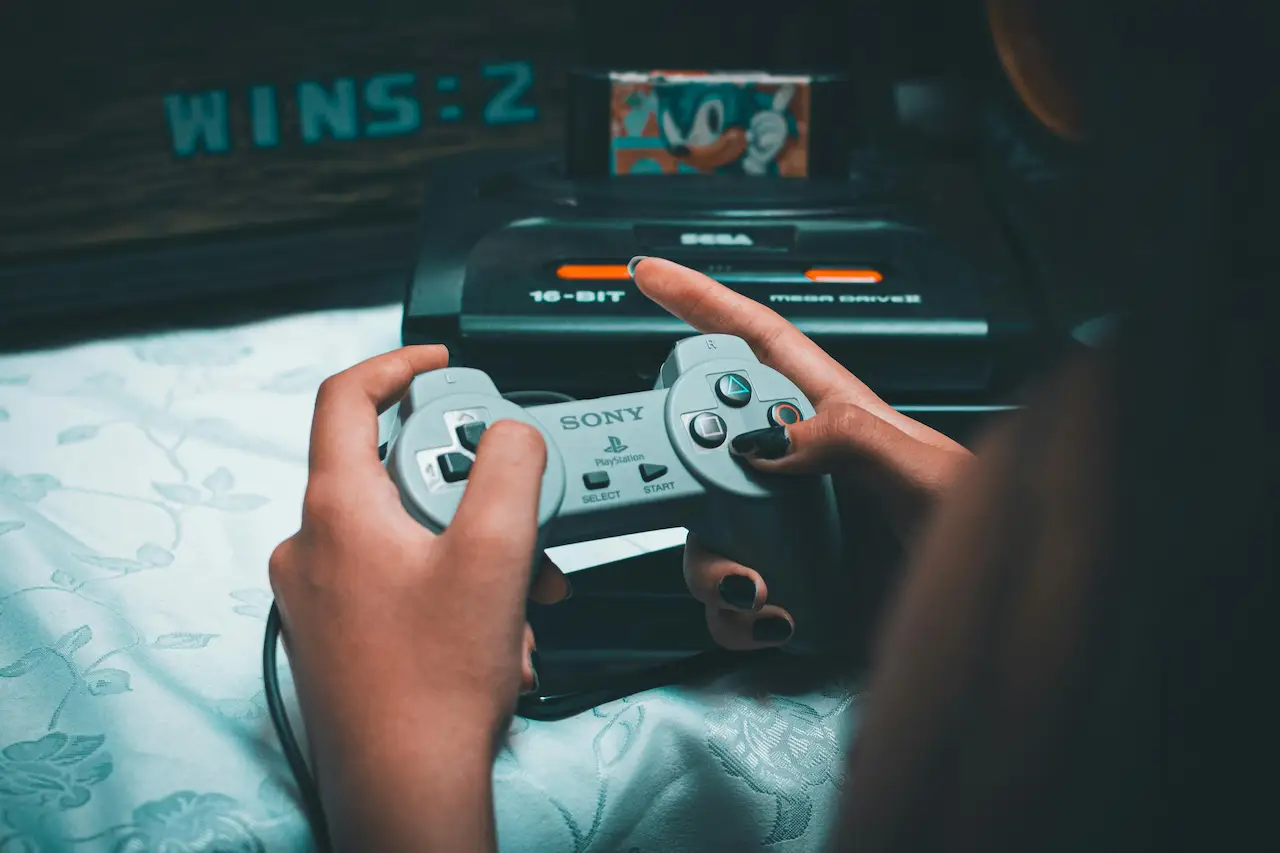
Video Games
Many popular video games now include features like loot boxes, skins, and in-game betting. If you’re not familiar with these terms, here’s what’s happening: your kid pays money (or earns in-game currency) to open a virtual box with random items inside. They don’t know what they’ll get. Something rare and valuable, or junk?
That’s gambling. The mechanics are identical to a slot machine — pay, hope, repeat. Some countries have banned loot boxes altogether because of it. The US hasn’t.
These features normalize gambling behavior from a young age. The excitement of “maybe this time” gets wired into their brains before they’re old enough to recognize what’s happening. And it doesn’t stay in the game. Some of these in-game items — especially “skins” — can be used as currency on offshore gambling sites with weak age verification.
So, our kids might not be gambling with cash. But they’re gambling with items of real value on sites we’ve never heard of.
And it matters especially at these ages. Research puts the average age kids first gamble at around 10. Young people are about four times more likely than adults to develop serious gambling problems — and the earlier it starts, the harder it is to course-correct. There’s a neurological reason for that. The part of the brain that recognizes a bad pattern and stops it isn’t fully developed until the mid-twenties. The reward system, though? Fully online and firing. Gambling mechanics are designed to hit exactly that gap.
Gacha Games
If your kid plays mobile games — and most do — there’s a good chance they’ve already run into this. Gacha games are free to download, but they regularly prompt players to spend real money pulling for random characters or upgrades. The best items can have drop rates below 1%. Players can spend hundreds of dollars chasing a single character and still come up empty. Games like Genshin Impact run on this model and have hundreds of millions of players worldwide, many of them kids. Free to download. No minimum age. No spending limits. Just an endless pull.
Card Games at Home
Playing cards with family can be a great way to connect. Poker night, a game of blackjack — it’s fun, it’s social, it’s tradition for a lot of families.
But when money enters the picture, even small amounts, something shifts. It starts teaching gambling behaviors. It makes risk-taking feel normal. And for young players especially, the line between “just a game” and “betting for real” can blur without anyone noticing.
This isn’t about never playing cards with your kids. It’s about being thoughtful when money comes into play.
Card Collecting
If your kid collects trading cards — Pokémon, sports cards, whatever the trend is — you’ve probably bought mystery packs.
That surprise factor is fun, but the thrill of “not knowing” triggers the same brain-reward system as slot machines. With rare “chase cards” randomly inserted into packs, collecting now mirrors gambling: buy a pack, hope for a big hit, feel the letdown, try again.
What makes it even more intense is the rise of YouTube break culture. Kids watch streamers open pricey boxes live, celebrating big pulls and reacting to misses. Viewers can even buy “spots” for a chance at the cards being opened — essentially gambling without ever touching a pack. The excitement, suspense, and FOMO can quickly hook young brains, making a hobby feel a lot like gambling.
Trading Card Games
Games like Magic: The Gathering or Pokémon TCG teach strategic thinking, probability, and risk assessment. That’s not a bad thing.
But here’s something worth knowing: many poker players say they got their start with trading card games. The skills transfer. And that familiarity can make gambling feel safe or skill-based when it’s really not.
The jump from “I’m good at this strategy game” to “I should try poker for money” can happen faster than we expect. And once real money is involved, patterns can form quickly.
What Can You Do?
Talk to your kids about loot boxes and in-game purchases. Not as an accusation — just get curious. How does this work? What can you buy? What happens when you get something rare?
Check spending. If your payment method is linked to their gaming account, review the charges. Small, frequent purchases often mean buying loot boxes.
Ask about skins gambling. And ask about gacha games while you’re at it. Ask if they’ve ever spent money on random pulls in a mobile game or used in-game items to bet on other sites. These might feel like separate conversations, but they’re really the same one.
Be intentional about family card games. There’s nothing wrong with teaching your kids to play. But think about whether money should be involved and what that message sends. And have a discussion about it.
Watch card-collecting habits. If your kid is constantly buying packs in hopes of that one rare card, talk about what’s driving that. The chase itself can become a problem. Check out who they are watching on YouTube.
Think about your own example. If we’re buying scratch-offs, playing casino apps, or betting casually, our kids notice. What we normalize, they absorb.
Next up: Part 4: Investing or Gambling? ➤
Parents Standing Together provides peer support only – not therapy, medical care, counseling, or legal advice. No professional services or treatment are offered. For any medical, legal, financial, or mental health concerns, please consult a qualified professional. If you or your child is in crisis, call 988 and seek professional help immediately.